
Language Documentation project has helped the minority language communities by recording the available utterances in the audio-video format so that these materials can be used for passing on to the new generation and language and cultural knowledge preservation purpose. In this regard we record the available utterances in 12 different genres. This audio files represent different kinds of linguistic events in the language community. The linguistic data are entered in the computer for annotation and translation. Language documentation project serves the language users to encounter with the problem with representation in writing the phonemes. However the initial work starts from whatever available utterances is there at hand. The purpose is to preserve the sample of language varieties for linguistic analysis.
Language documentation program has two phases- first audio text recording in the community, secondly, data editing and annotation after the documentation. Language documentation data are used for orthographical issue while writing the language first time. The writer feels difficult in writing the sound s/he finds in the audio data. This problem of representing the language in written symbol of a particular sound accentuate the need of distinguishing orthographical issues in that language. How to represent this particular sound in our writing? This is a good problem to a minority language writer because it makes him/her to think properly before using the language from spoken to written form.
Another use of language documentation data is to develop a small article needed for the publication of the booklet in the minority language. During the recording time the speaker talks about different subject matter of his/her community. This audio materials can be developed into a suitable article in the minority language. This can be encouraging and enlightening for the minority language studies. Minority languages are less written language. Language documentation data editing tasks generate more opportunities to create more literatures, which can have more avenues to bridge other dominant languages through translation.
The following table shows the details of language documentation activities:
| Date | Language | Total time |
| 2013-06-13 | Syuba | 11 hours |
| 2014-04-10 | ME-Tharu | 15 hours |
| 2017-08-04 | Dotyali | 5 hours |
| 2014-10-12 | Western Tamang | 10 hours |
| 2013-01-12 | Eastern Magar | 6 hours |
| 2014-11-20 | Dhimal | 3 hours |
| 2014-03-25 | Darai | 10 hours |
| 2017-03-31 | Kumal | 1.5 hours |
| 2018-05-23 | Dewas Rai | 8 hours |
| 2018-09-17 | Jumli | 3 hours |
| 2019-05-13 | Dumi Rai | 1.5 hours |
| 2019-12-21 | Urawn | 6 hours |
| 2019-12-21 | Takale Kham, Maikot Kham | 3hours |
| 2019-08-19 | Bote | 3 hours |
| 2021-05-10 | Gamal Kham | 3.5 hours |
| 2022-03-22 | Western Magar | 3 hours |
| 2021-01-11 | Kathariya Tharu | 3 hours |
| 2021-09-26 | Danuwar | 11 hours |
| 2018-05-23 | Majhi | 10 hours |
| 2022-12-29 | Chhathare Limbu | 3 hours |
| 2021-12-05 | Meche | 2 hours |
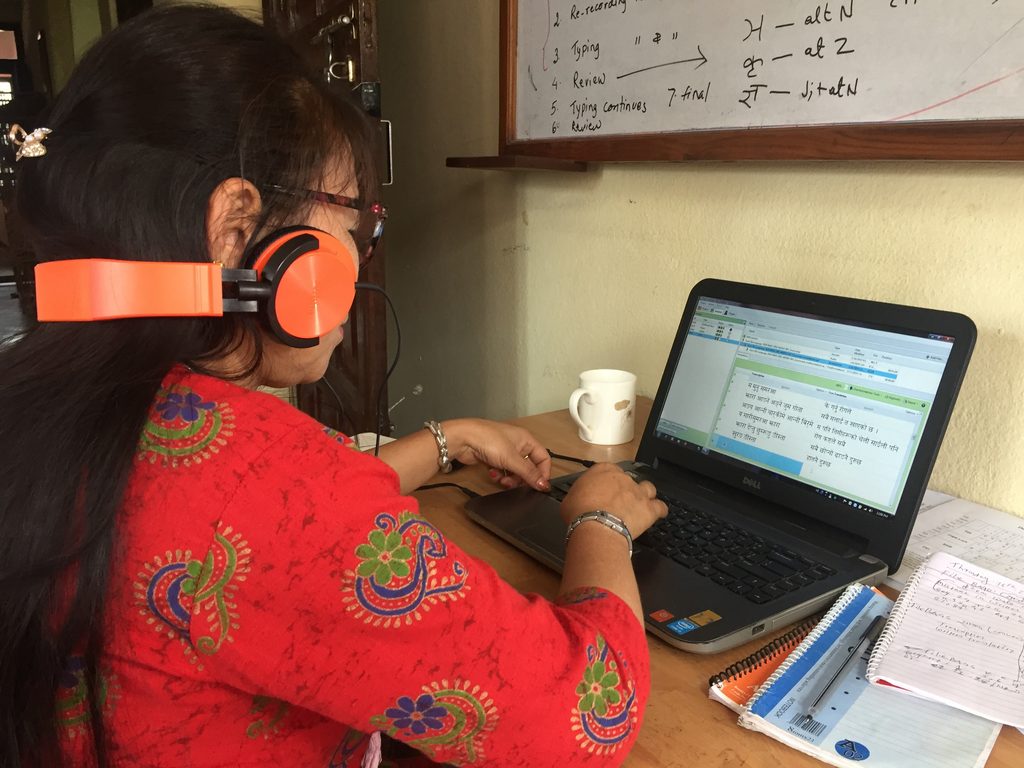
Dumi Documentation
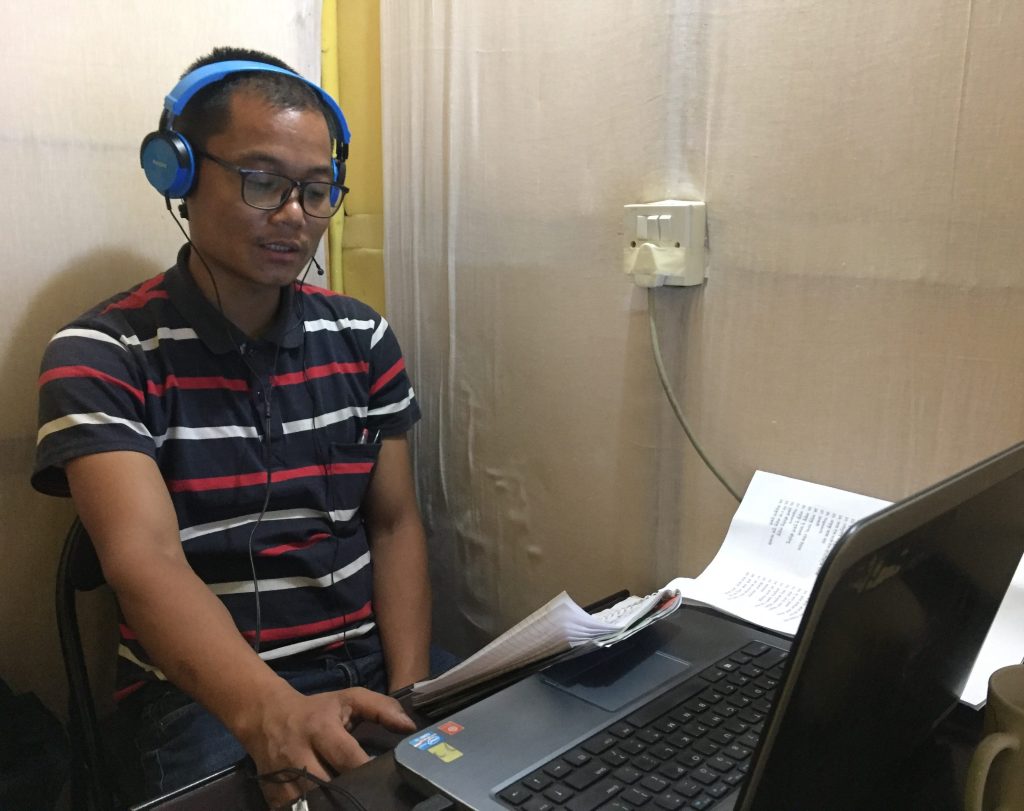
Dumi Documentation
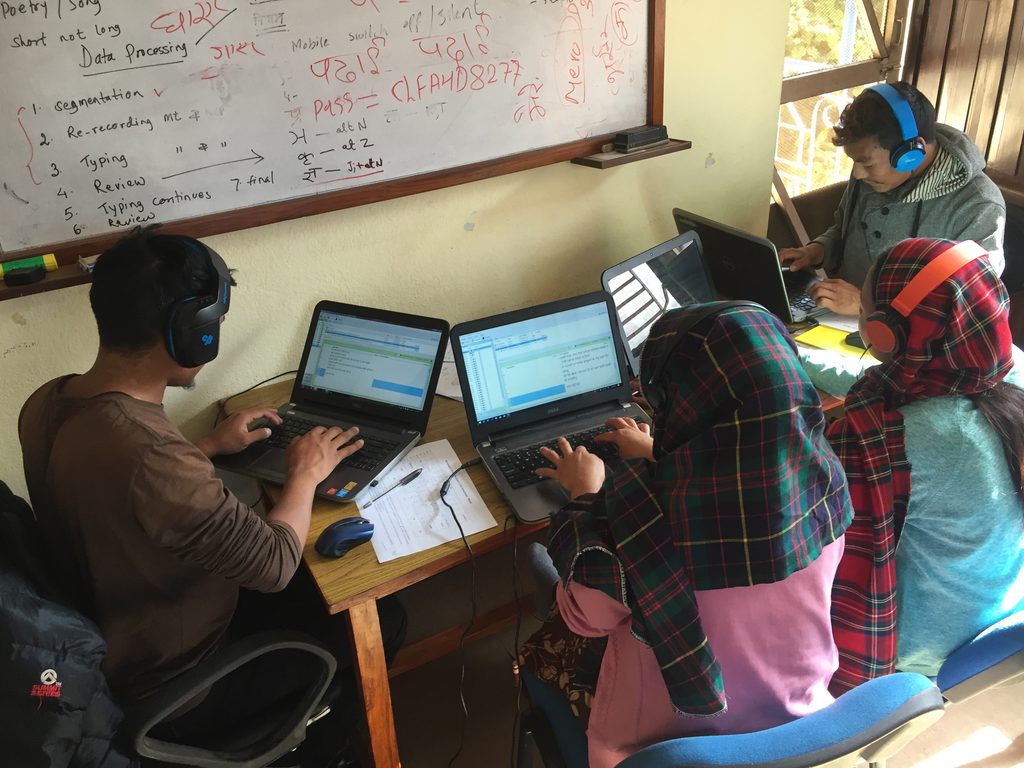
Takale Kham & Maikoti Kham Documentation
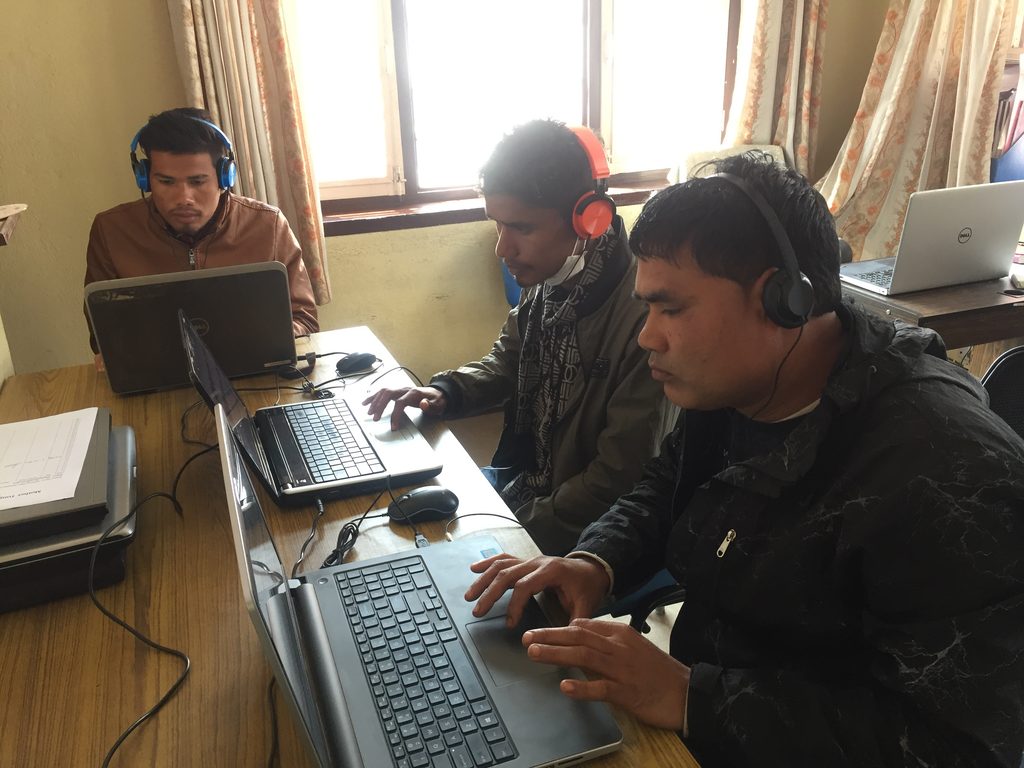
Kathariya Tharu Documentation
Transformation: knowledge of representation
Language documentation data can be transformed into minority language productions. These materials need to be refined to make them as knowledge of the language community. These can serve as their true representation through story, article, song, narrative and what not. There are many things to write for the language which are less written. Language documentations give many subject matters to introduce in the paper, like history, culture, ritual, story etc.